Inside an Enterprise Ransomware Simulation: From Phishing Email to Business Disruptione
Educational Disclaimer
The demonstration presented in this article was conducted exclusively within an isolated virtual laboratory using fictitious company assets, synthetic business documents, and simulated user activity. The purpose of this exercise is to educate organizations on ransomware risks, improve security awareness, and support defensive cybersecurity training. No production systems, customer data, or real organizations were affected.
Executive Summary
Ransomware has evolved from opportunistic malware into one of the most financially disruptive cyber threats facing organizations today. While attackers continue to refine encryption techniques, the majority of successful ransomware incidents still begin with a surprisingly simple entry point: a convincing phishing email delivered to an unsuspecting employee.
Financial institutions, manufacturing companies, healthcare providers, and government organizations remain attractive targets because operational downtime often costs significantly more than the ransom itself. Modern ransomware groups understand this reality and increasingly focus on business disruption rather than purely technical sophistication.
To demonstrate how quickly an ordinary business workflow can escalate into a major cybersecurity incident, ThreatWatch360 conducted a controlled ransomware awareness simulation inside a fully isolated enterprise laboratory. The objective was not to emulate a specific threat actor, but to illustrate the operational consequences of a ransomware event from the perspective of an end user and security team.
This simulated environment recreates a typical corporate workstation, beginning with a phishing email, progressing through user interaction, and ultimately demonstrating the business impact of inaccessible files, disrupted operations, and visible signs of compromise. The exercise is designed to help security teams, executives, and decision-makers better understand why ransomware preparedness must extend beyond traditional endpoint protection.
Building the Enterprise Simulation
The laboratory environment was designed to closely resemble the workstation of an employee at a fictional manufacturing company named NorthBridge Manufacturing. Rather than using an empty virtual machine, the system was populated with realistic business artifacts that an employee would typically interact with during daily operations.
The workstation contained project documentation, procurement records, HR files, finance spreadsheets, engineering documentation, maintenance schedules, internal reports, archived invoices, and departmental folders. Corporate applications such as Microsoft Edge, Google Chrome, Thunderbird Mail, PowerShell, and other productivity tools were also available, creating an environment that closely reflected a standard enterprise endpoint.

Figure 1. NorthBridge Manufacturing employee workstation before the ransomware attack.
Initial Access Through Social Engineering
One of the most common misconceptions surrounding ransomware is that sophisticated vulnerabilities are always required for compromise. In reality, many ransomware campaigns continue to rely on phishing emails because they exploit human trust rather than software flaws.
For this simulation, the employee receives an email appearing to originate from the Procurement Department. The message informs the recipient that an updated version of the company's Inventory Scanner software must be installed before inventory reconciliation can proceed. The email is professionally written, references legitimate business processes, and includes a ZIP archive named InventoryScanner_v2.4.zip.
From the employee's perspective, the request appears routine. Nothing within the email immediately suggests malicious intent, illustrating why phishing remains one of the most successful initial access techniques observed across enterprise environments.
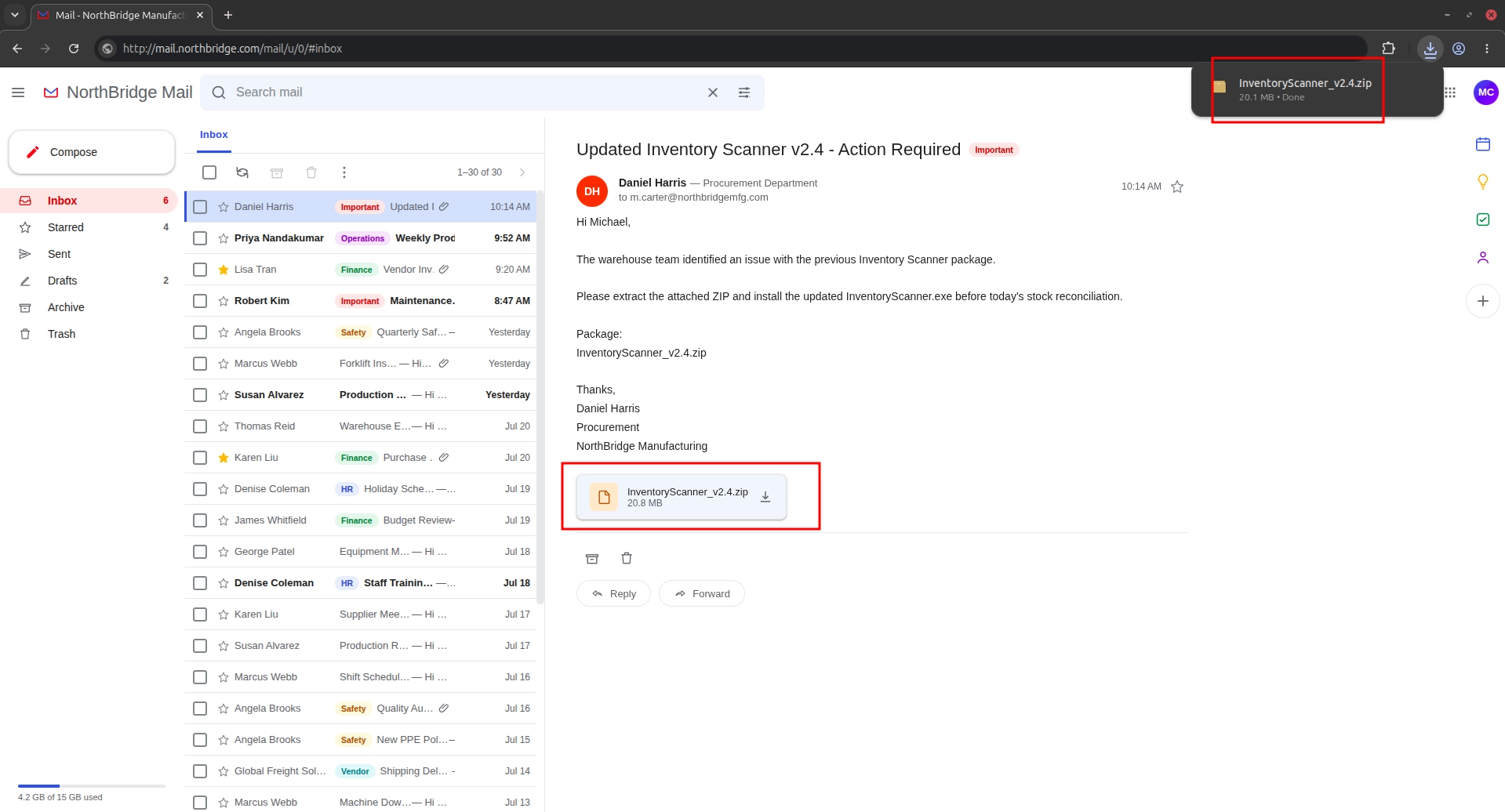
Figure 2. phishing email delivering the InventoryScanner_v2.4.zip archive.
Payload Delivery and User Execution
After downloading the attachment, the employee extracts the archive and prepares to execute what appears to be a standard software update. This stage closely mirrors countless real-world incidents where users unknowingly execute malicious payloads disguised as trusted software installers.
At this point, no obvious warnings or abnormal behavior are visible. Windows Explorer behaves normally, the archive extracts successfully, and the workstation continues functioning without interruption. This absence of immediate indicators often reinforces the user's confidence that the software is legitimate.
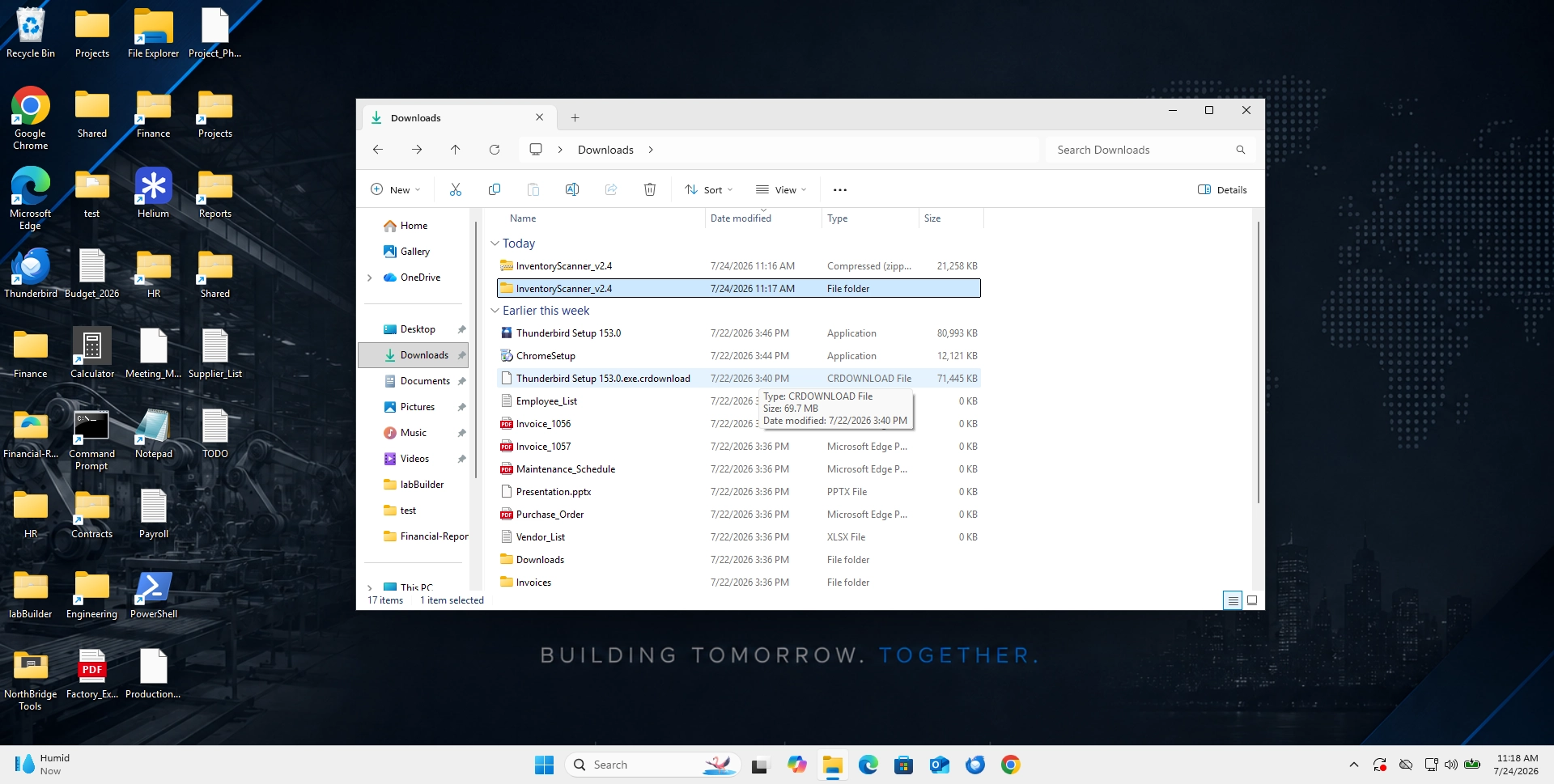
Figure 3. Extracted application prior to execution.
Visible Impact on Business Operations
Once the simulated payload is executed, the environment transitions from normal business activity to a ransomware incident. From the user's perspective, files begin to change, normal workflows are interrupted, and access to critical business information is lost.
Business documents that were previously accessible become unavailable, demonstrating how quickly operational disruption can occur after initial execution. In many real-world incidents, this is the moment users first recognize that something is seriously wrong.
The disruption extends beyond individual files. Departments depending on financial records, procurement documentation, engineering plans, and operational procedures would immediately experience delays, preventing normal business activities from continuing.
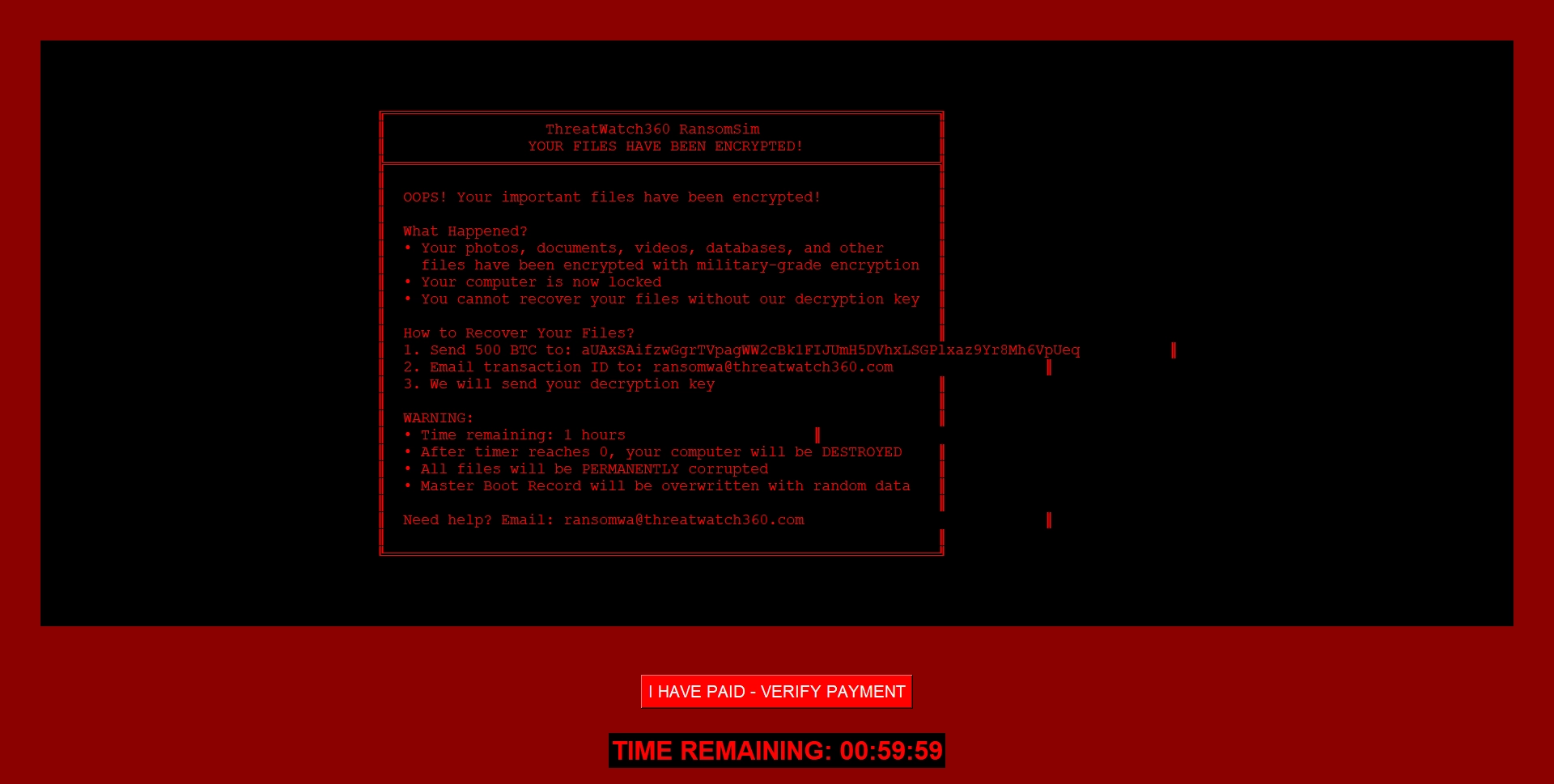
Figure 4. Enterprise workstation immediately after the ransomware begins.
Loss of Data Accessibility
One of the defining characteristics of ransomware is the sudden loss of access to business information. During the simulation, corporate documents become unreadable, demonstrating the immediate operational consequences of encryption.
Even relatively small documents become unusable, preventing employees from accessing maintenance records, audit notes, inventory information, project documentation, and administrative files. From a business continuity perspective, the inability to retrieve these files often has a greater operational impact than the malware itself.
The simulation illustrates how quickly organizations can transition from normal operations to complete workflow disruption when critical business data becomes inaccessible.
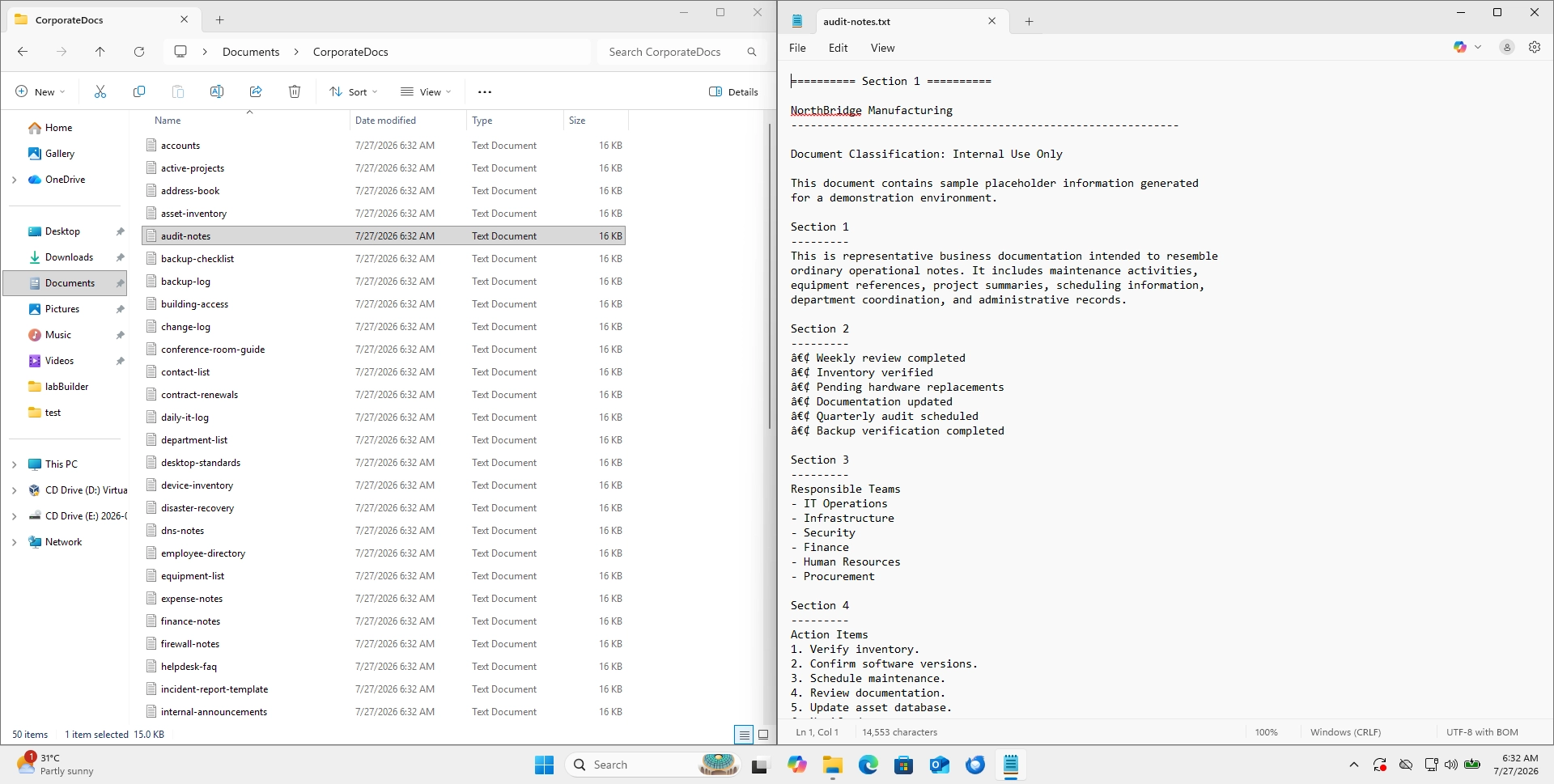
Figure 5. Corporate documents after the simulated encryption process.
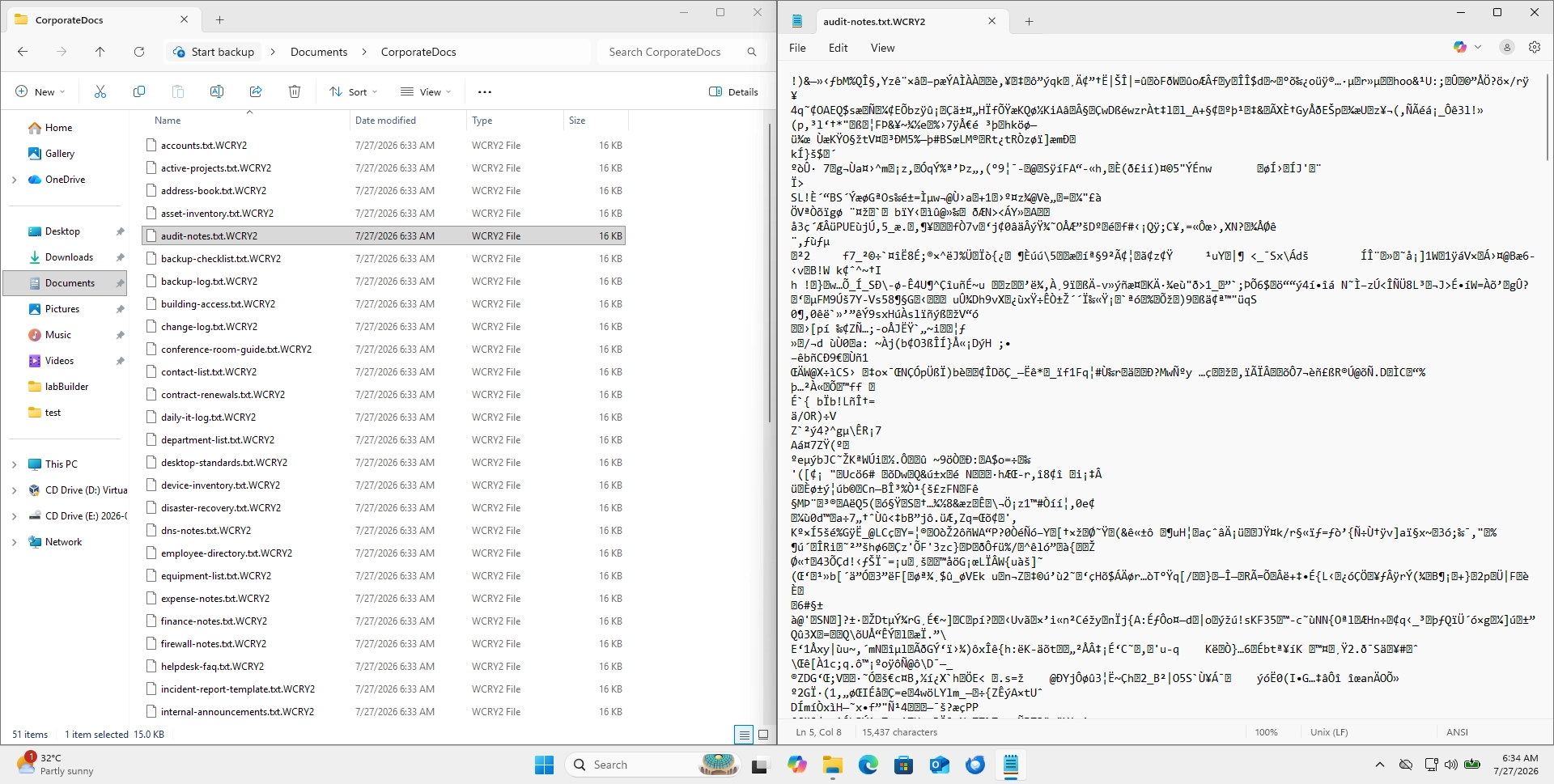
Figure 6. Opening an affected document demonstrates loss of readability and accessibility.
Psychological Impact of Ransomware
Modern ransomware operations are designed to create both technical disruption and psychological pressure. Once the encryption process completes, victims are often confronted with visual indicators intended to communicate that the organization has lost control of its systems.
In the simulation, the corporate wallpaper is replaced with a prominent warning message indicating that files are no longer accessible. While purely visual, these notifications reinforce the seriousness of the incident and contribute to the urgency experienced by affected users.
For many employees, this visible change represents the first unmistakable sign that the organization is experiencing a cybersecurity incident.
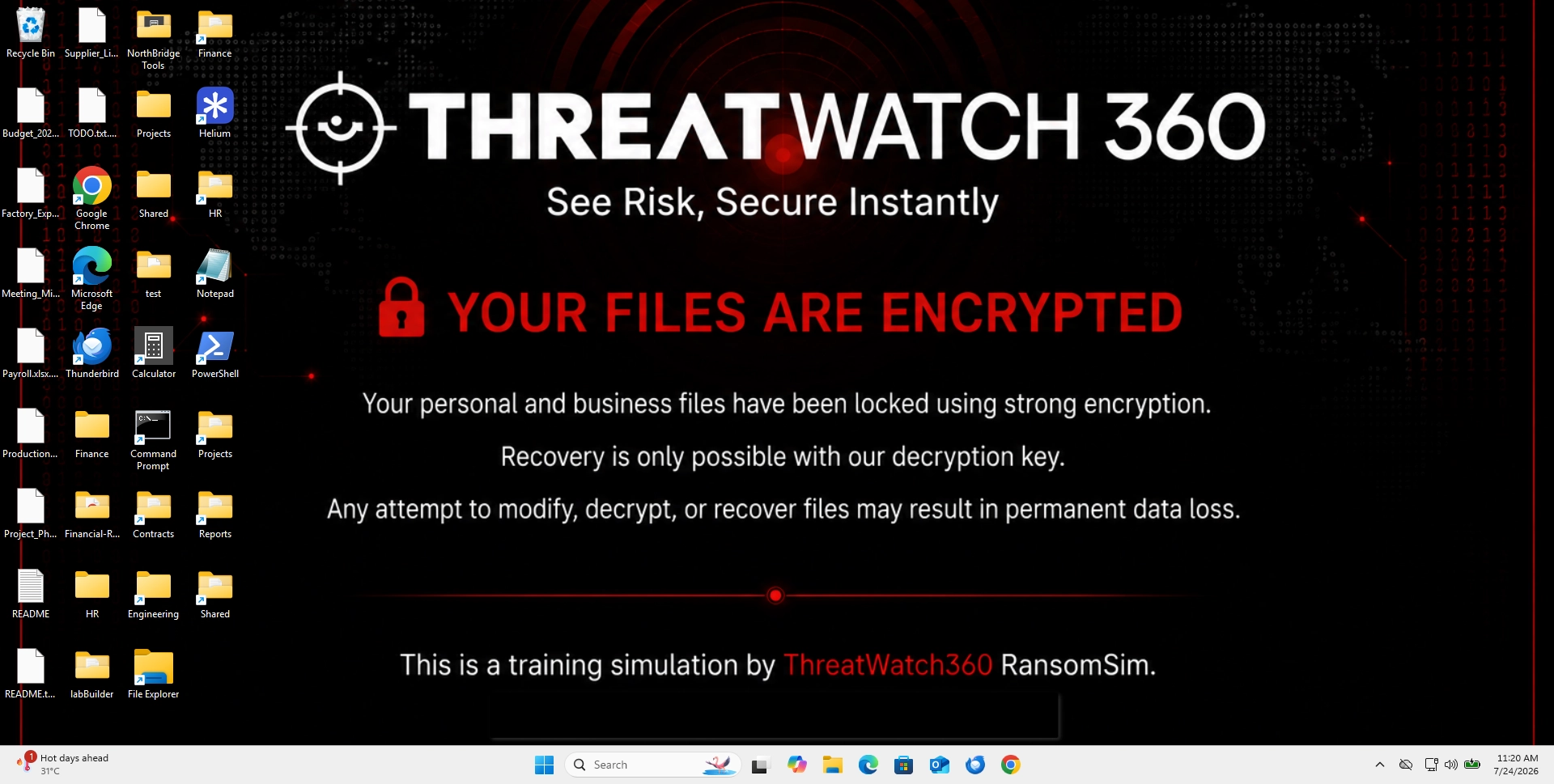
Figure 7. Desktop wallpaper changed after the ransomware event.
Ransom Note Appears
With the encryption process complete, the attacker leaves behind the final and most visible indication of compromise: a ransom note. At this stage, employees are no longer simply experiencing application errors or missing files. Instead, they are confronted with an unmistakable message indicating that their workstation and business data have been compromised.
For many organizations, this is the moment the incident becomes immediately apparent. Critical documents are inaccessible, normal business operations have stopped, and users are presented with instructions left by the attacker. By the time a ransom note appears, the damage has typically already been done, and the focus shifts from prevention to incident response, containment, recovery, and business continuity.
While the exact wording and presentation vary between ransomware families, the purpose remains largely the same: to inform the victim that their data is no longer accessible and to pressure the organization into responding on the attacker's terms. The appearance of a ransom note often serves as the catalyst for activating an organization's incident response plan, notifying security teams, isolating affected systems, and beginning forensic investigation.
This exercise concludes with a representative ransom note to illustrate the final stage of a ransomware incident and the operational disruption that follows a successful compromise. It reinforces an important lesson: once a ransom note is displayed, opportunities for prevention have largely passed, making proactive security controls, employee awareness, continuous monitoring, and tested recovery procedures essential components of organizational resilience.
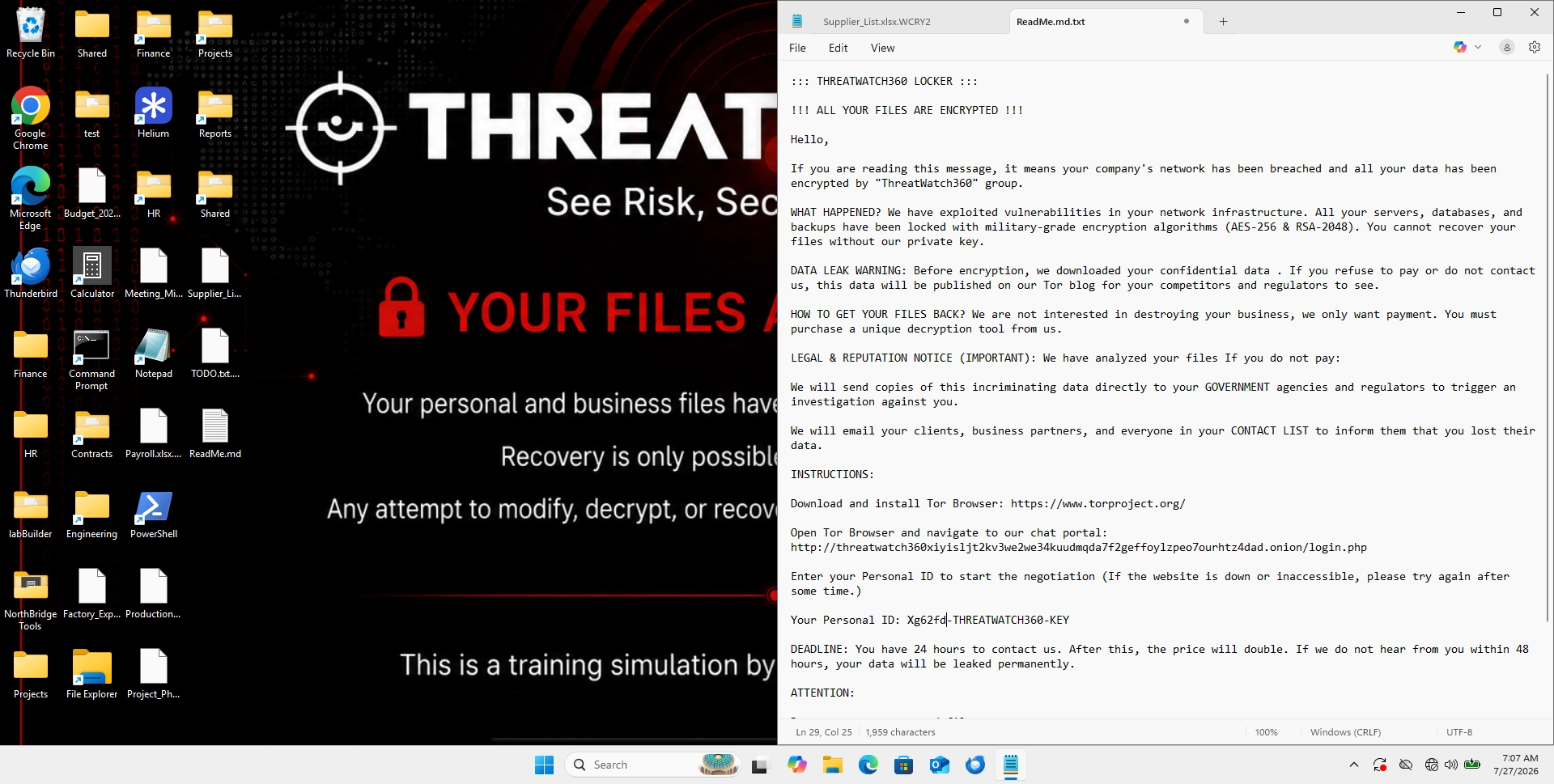
Figure 8. ransomware note displayed following the awareness exercise.
Threat Intelligence Assessment
Threat intelligence reporting consistently shows that ransomware is rarely a single-stage event. In many documented incidents, attackers spend days or even weeks inside an environment before encryption is deployed. During this period, adversaries perform internal reconnaissance, identify valuable assets, harvest credentials, and move laterally across the network.
The visible encryption phase often represents the final stage of a much longer intrusion. Organizations that rely solely on detecting encrypted files may miss numerous opportunities to identify malicious activity earlier in the attack lifecycle.
This reinforces the importance of proactive detection capabilities, continuous monitoring, and effective incident response rather than depending exclusively on traditional antivirus solutions.
Detection and Defensive Considerations
Organizations can significantly reduce ransomware risk by implementing layered security controls that focus on prevention, detection, and rapid response. Email security remains a critical first line of defense, while endpoint detection and response platforms provide valuable visibility into abnormal system activity. Security awareness training continues to play an equally important role by helping employees recognize phishing attempts before malicious attachments are executed.
Comprehensive backup strategies, network segmentation, least-privilege access, and continuous monitoring further improve organizational resilience by limiting the operational impact of successful compromises. No single technology eliminates ransomware risk, but multiple defensive layers substantially reduce the likelihood of a major business disruption.
Conclusion
Ransomware continues to represent one of the most significant operational threats facing modern organizations. Although attackers frequently rely on advanced infrastructure and evolving techniques, many successful compromises still originate from seemingly routine business communications delivered through email.
The ThreatWatch360 ransomware awareness exercise demonstrates how rapidly an ordinary business process can evolve into a significant operational incident when users unknowingly execute malicious content. By visualizing each stage of the attack—from phishing email to inaccessible business documents—organizations gain a clearer understanding of why proactive security awareness, continuous monitoring, and effective incident response planning remain essential components of enterprise cyber resilience.
Controlled simulations such as this provide valuable opportunities for executives, security teams, and employees to experience the operational consequences of ransomware without exposing production systems to unnecessary risk. As ransomware continues to evolve, preparedness through realistic defensive exercises remains one of the most effective ways to strengthen organizational resilience.
About ThreatWatch360
ThreatWatch360 delivers comprehensive Cyber Threat Intelligence (CTI) and Digital Risk Protection (DRP) services that help organizations proactively identify, monitor, and mitigate external cyber threats. Our capabilities include brand protection, darkweb monitoring, anti-phishing, anti-rogue detection, takedown services, domain monitoring, and social media monitoring, enabling enterprises to detect emerging threats early, reduce digital risk, and strengthen their overall cybersecurity posture.