Executive Summary
ThreatWatch360 identified and analyzed PLAY RAT, an Android-focused malware delivery platform designed to help threat actors distribute malicious APKs through fake Google Play Store pages.
The platform allows users to upload APK files, customize application branding, and generate convincing download pages that closely imitate the appearance of legitimate Google Play listings. Analysis also revealed built-in campaign management features, download tracking, and payload distribution capabilities.
Unlike traditional malware builders that focus solely on payload creation, PLAY RAT combines payload delivery, social engineering, and campaign management within a single platform, making it easier for threat actors to distribute malicious Android applications at scale.
Platform Overview
PLAY RAT is marketed as a web-based platform that provides lifetime access through a one-time payment model.
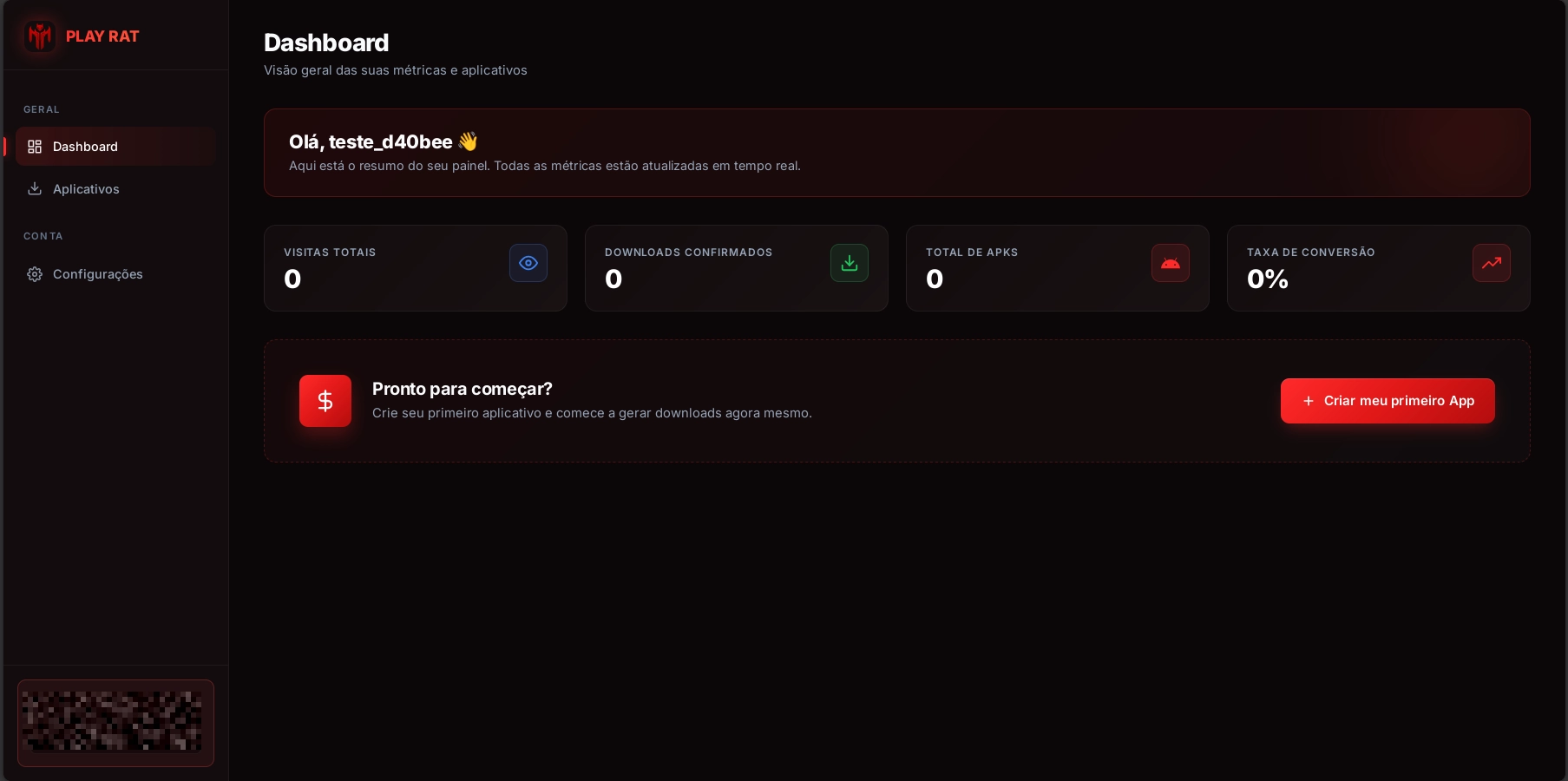
The service includes a management dashboard where users can create campaigns, upload APK files, monitor downloads, and manage generated applications. Observed platform statistics include visit counts, download counts, total APKs, and conversion metrics.
The platform appears designed for operators with limited technical expertise by simplifying the malware delivery process through a centralized interface.
Figure 01: PLAY RAT login portal.
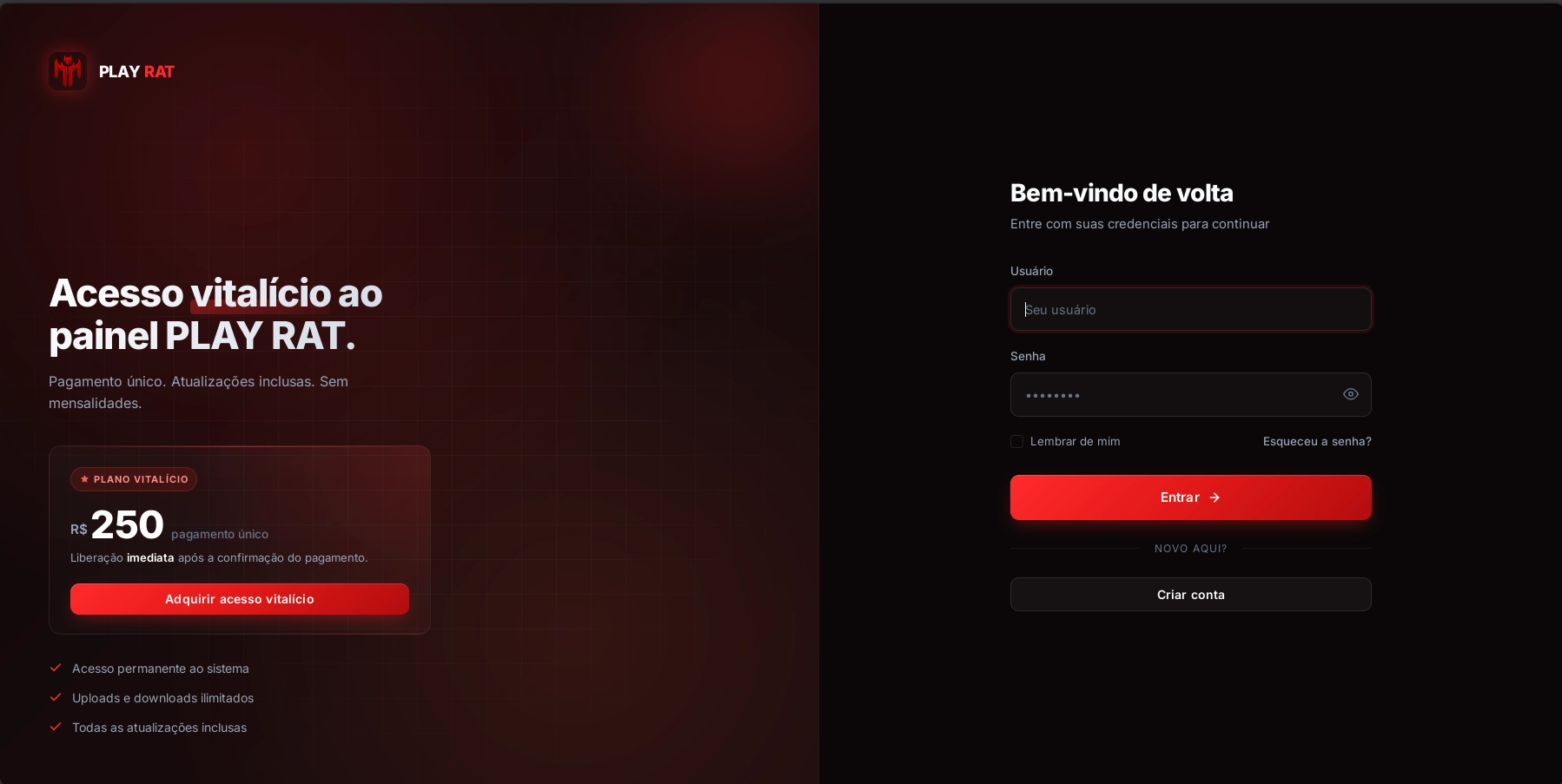
Figure 02: PLAY RAT management dashboard.
Malware Delivery Workflow
Analysis suggests PLAY RAT follows a straightforward workflow.
Users upload an APK through the platform and customize various application attributes, including the application name, developer name, icon, rating, language, and download count. Once configured, the platform generates a dedicated download page designed to mimic a legitimate application store listing.
Evidence collected during testing indicates that PLAY RAT injects an additional malicious payload into uploaded APKs before generating the final application package.
The resulting application can then be distributed through phishing campaigns, messaging applications, social media platforms, or other delivery channels.
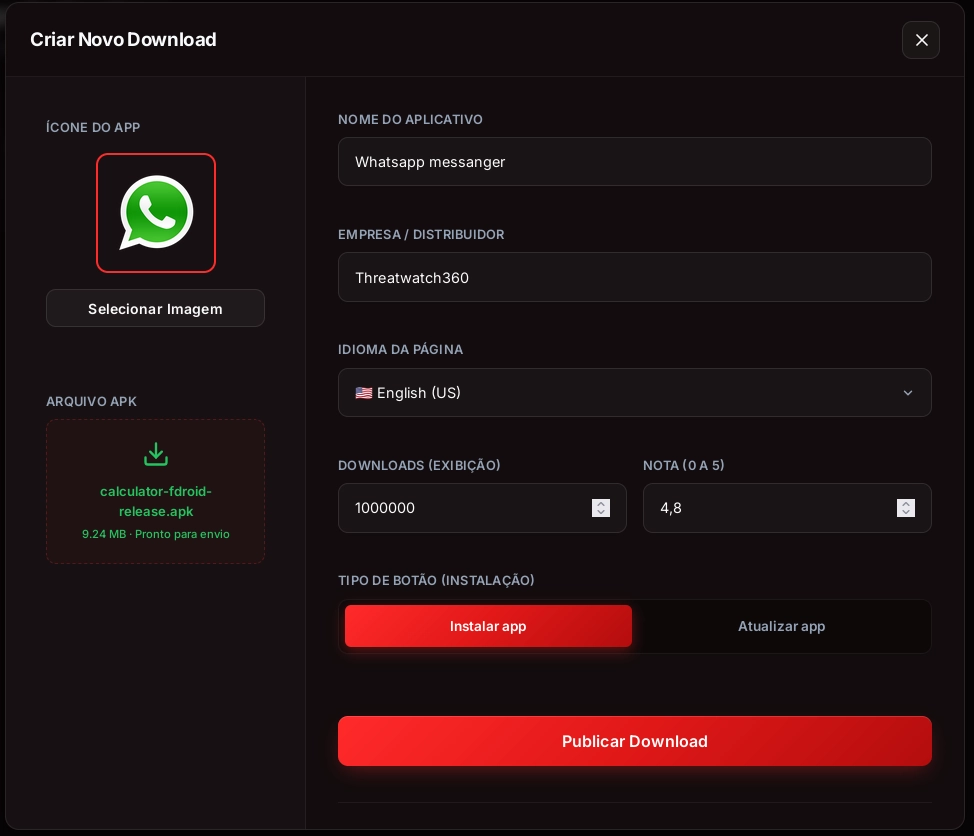
Figure 03: Application creation and customization interface.
Fake Google Play Store Pages
One of the platform's most notable features is its ability to generate convincing Google Play-themed download pages.
The generated pages replicate common Play Store elements, including application icons, developer information, ratings, download statistics, installation buttons, and application descriptions. These elements can be customized by the operator to increase the credibility of the malicious application.
During testing, a sample page was configured to impersonate WhatsApp Messenger using manipulated download statistics and publisher information.
This approach relies heavily on social engineering rather than technical exploitation, encouraging victims to voluntarily download and install malicious applications.
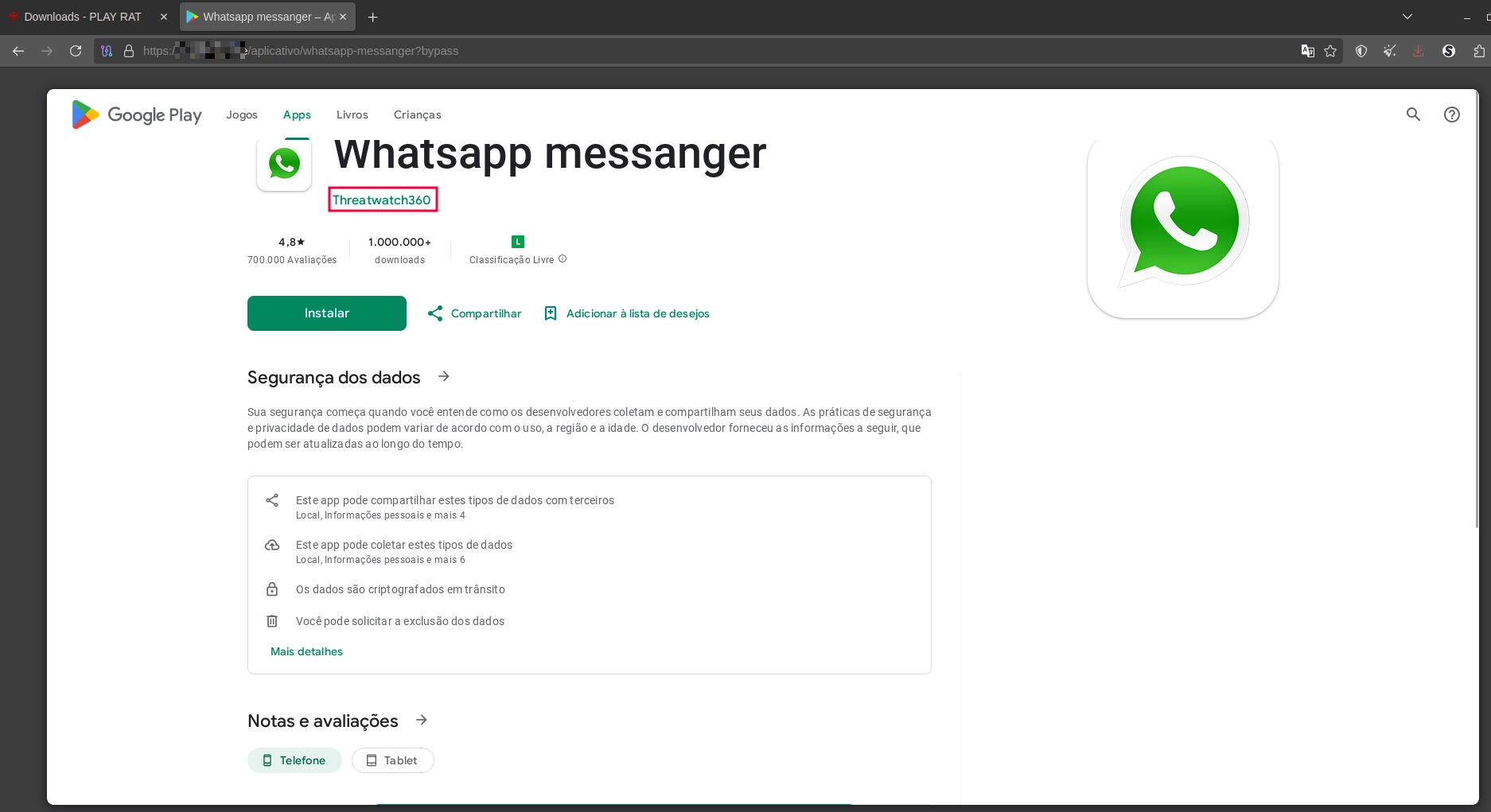
Figure 04: Generated fake Google Play download page.
Campaign Management Features
PLAY RAT includes functionality designed to assist operators in tracking delivery campaigns.
Observed features include:
- Application management
- Download tracking
- Visit tracking
- Conversion metrics
- APK administration
The dashboard provides visibility into campaign performance, allowing operators to monitor the effectiveness of their distribution efforts.

Figure 05: Application management interface.
Payload Delivery and Distribution
Unlike simple APK hosting services, PLAY RAT appears to function as both a malware builder and delivery platform.
The service enables operators to upload APK files, inject additional payloads, host the resulting application, and generate phishing-ready download pages. This integrated approach reduces the infrastructure requirements typically needed to distribute malicious Android applications.
The platform effectively combines malware preparation, hosting, and delivery within a single environment.
Threat Actor Adoption
Platforms such as PLAY RAT lower the barrier to entry for cybercriminals by reducing the technical expertise required to distribute Android malware.
Rather than building phishing infrastructure from scratch, operators can generate convincing application download pages within minutes and immediately begin distributing malicious applications to potential victims.
Threat Intelligence Assessment
PLAY RAT demonstrates how malware delivery platforms continue evolving beyond traditional malware builders.
Rather than focusing exclusively on payload generation, the platform combines application customization, payload injection, hosting capabilities, phishing page generation, and campaign tracking into a single service.
The ability to impersonate trusted applications significantly increases the likelihood of successful infections, particularly when distributed through messaging platforms, social media channels, or phishing campaigns.
The use of fake Google Play pages also allows threat actors to leverage brand trust associated with legitimate applications and software marketplaces.
Impact on the Banking Sector
ThreatWatch360 assesses that platforms such as PLAY RAT present a significant risk to financial institutions and their customers.
Banking malware operators frequently rely on social engineering techniques to convince users to install malicious Android applications. Services such as PLAY RAT simplify this process by providing ready-made infrastructure capable of disguising malware as trusted applications.
Threat actors can use these platforms to distribute banking trojans, credential theft malware, financial phishing applications, and other Android-based threats while presenting them as legitimate software downloads.
As mobile banking adoption continues to grow, platforms that streamline malware delivery and application impersonation are likely to remain attractive tools within the cybercriminal ecosystem.
Conclusion
PLAY RAT is an Android-focused malware delivery platform that combines APK customization, payload injection, phishing page generation, application hosting, and campaign tracking capabilities.
The platform's ability to generate convincing Google Play-themed download pages significantly enhances social engineering efforts and simplifies malware distribution for threat actors.
Its combination of malware preparation and delivery capabilities highlights how modern cybercriminal services increasingly focus on streamlining the entire infection chain rather than providing malware alone.
Organizations within the banking sector should remain vigilant for campaigns leveraging fake application stores, impersonated mobile applications, and malicious APK distribution platforms such as PLAY RAT.